
What we do
Desert roofing. From inspection to installation.
Tile, shingle and SPF for homes and commercial properties in the Coachella Valley and Greater Phoenix. Compare roof systems, replacement and recoating options.
Roof systems
-
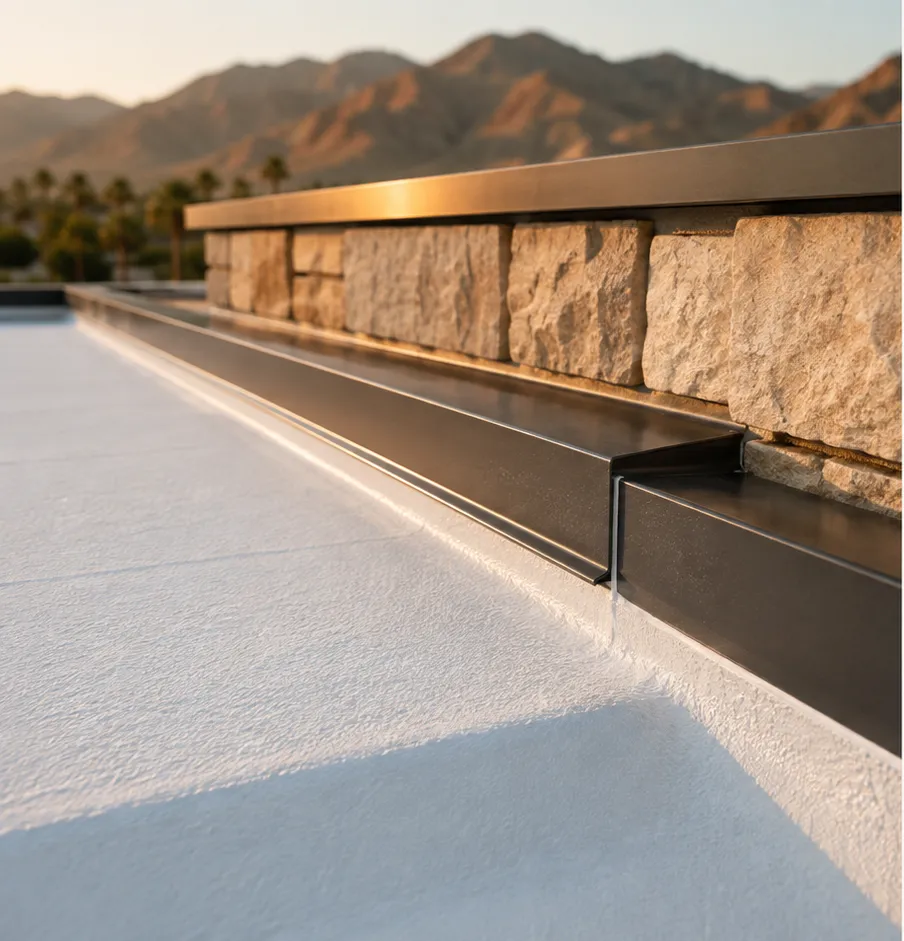 SPF roofing Insulation, drainage and UV protection for low-slope roofs.
Read more
SPF roofing Insulation, drainage and UV protection for low-slope roofs.
Read more
-
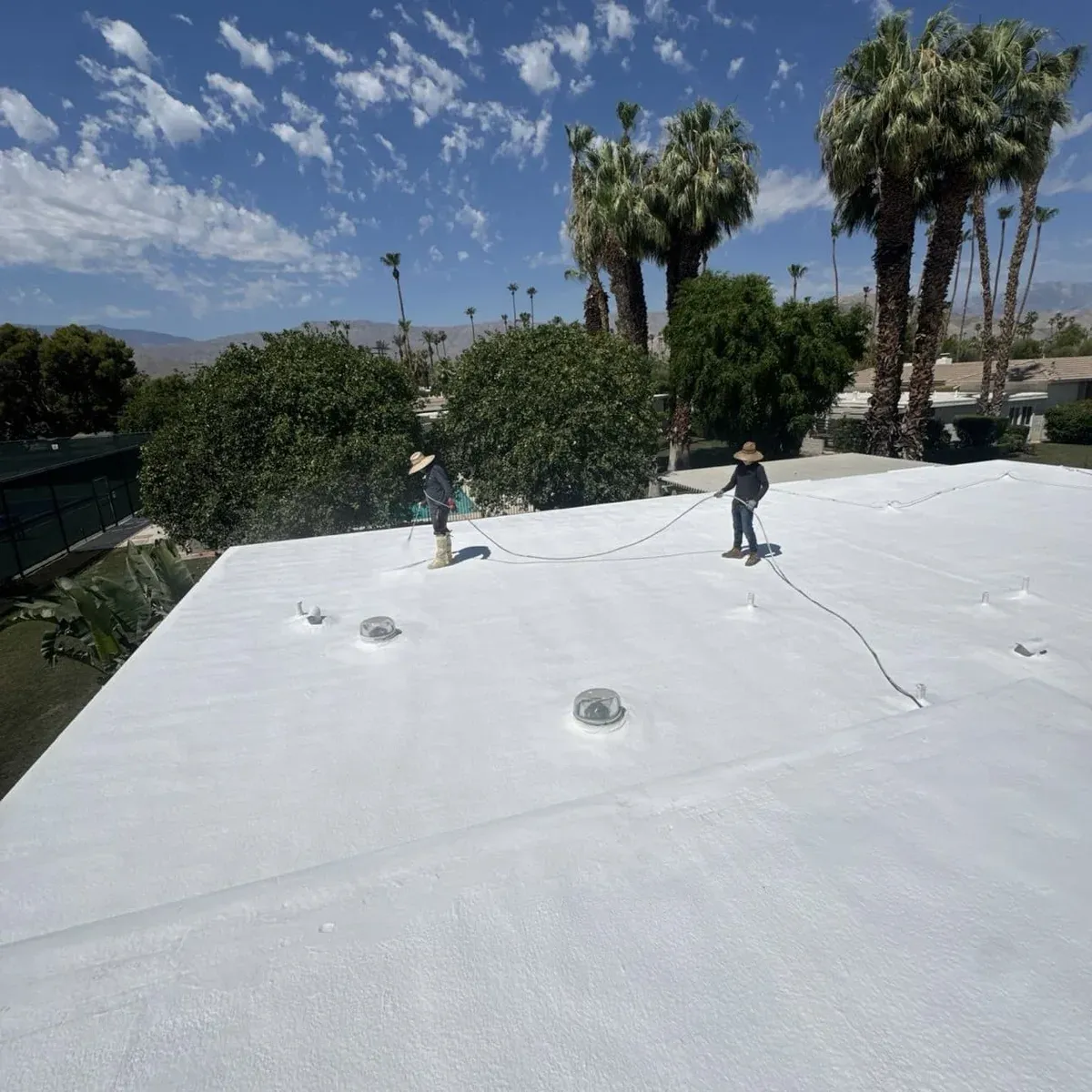 SPF recoating Restore UV protection while retaining sound foam underneath.
Read more
SPF recoating Restore UV protection while retaining sound foam underneath.
Read more
-
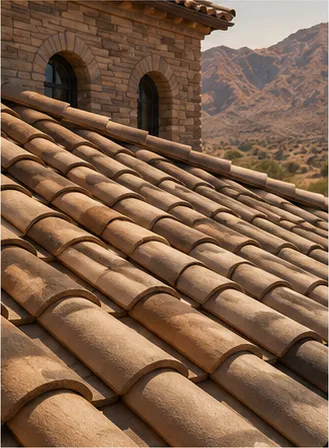 Tile roofing Desert rooflines with sound underlayment and flashing beneath.
Read more
Tile roofing Desert rooflines with sound underlayment and flashing beneath.
Read more
-
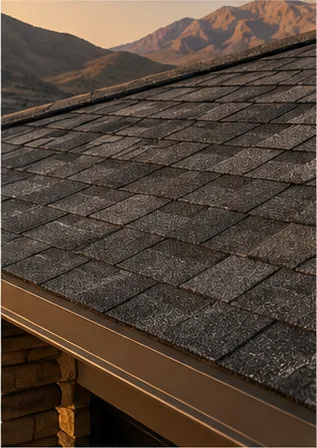 Shingle roofing A complete pitched-roof assembly for sun, wind and rain.
Read more
Shingle roofing A complete pitched-roof assembly for sun, wind and rain.
Read more
Roofing work
-
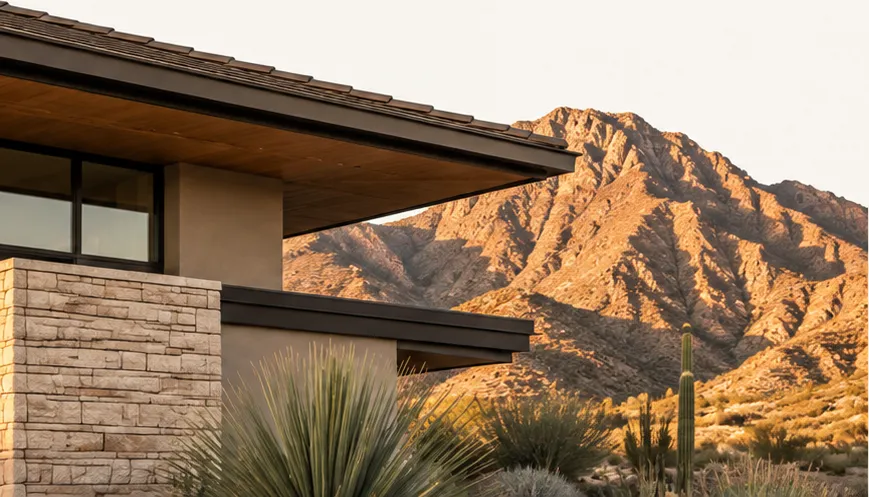 Residential roofing Tile, shingle and SPF roofing for desert homes.
Read more
Residential roofing Tile, shingle and SPF roofing for desert homes.
Read more
-
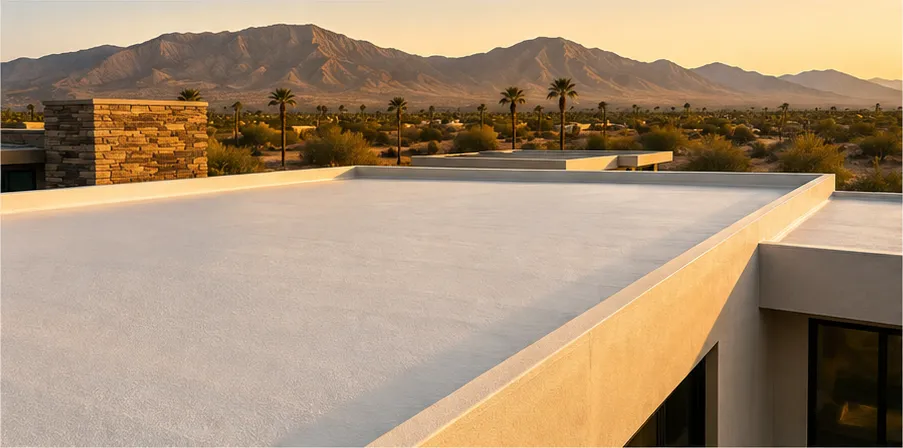 Commercial roofing Low-slope roof protection with drainage and equipment in mind.
Read more
Commercial roofing Low-slope roof protection with drainage and equipment in mind.
Read more
-
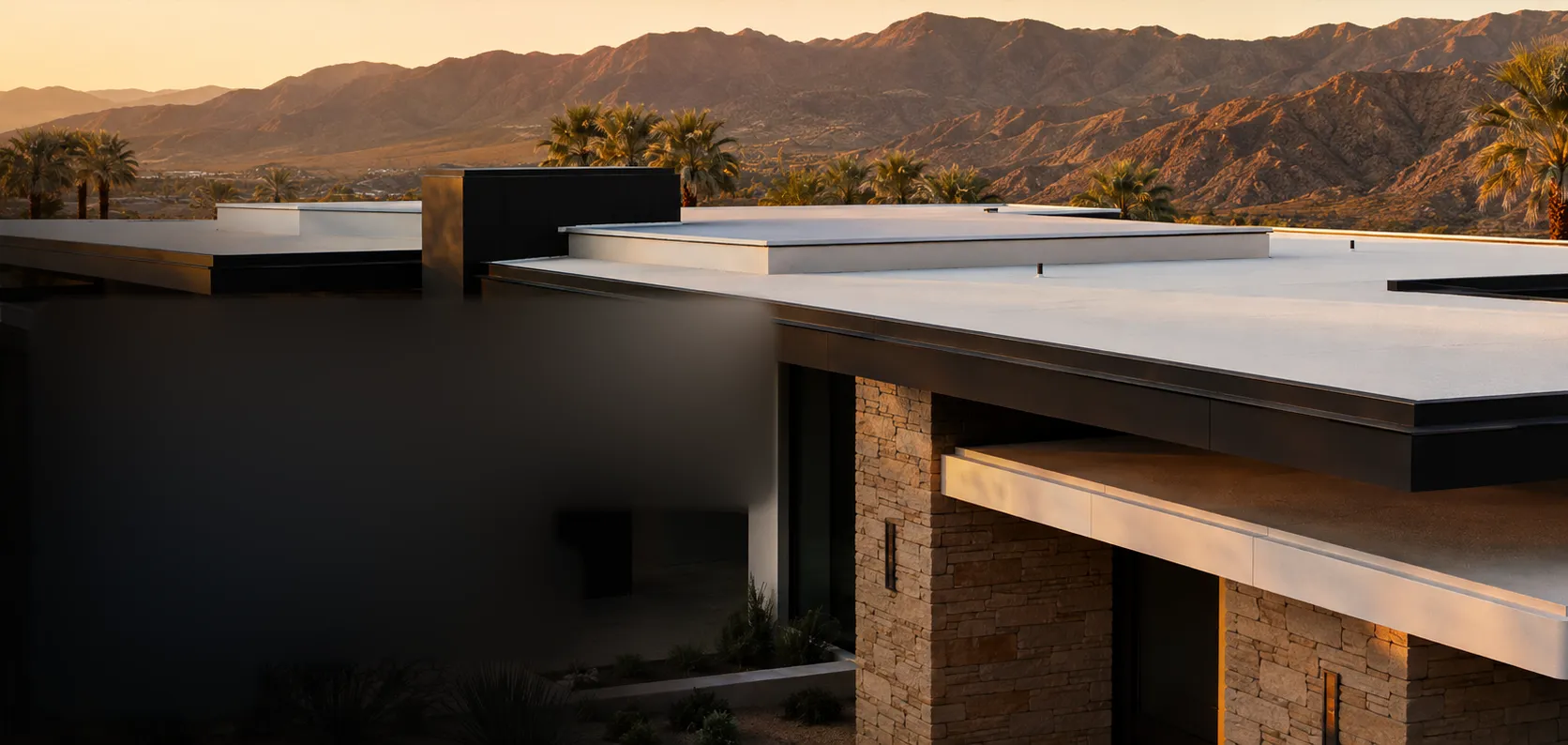 New roof installation Specify the full assembly for the building and its desert exposure.
Read more
New roof installation Specify the full assembly for the building and its desert exposure.
Read more
-
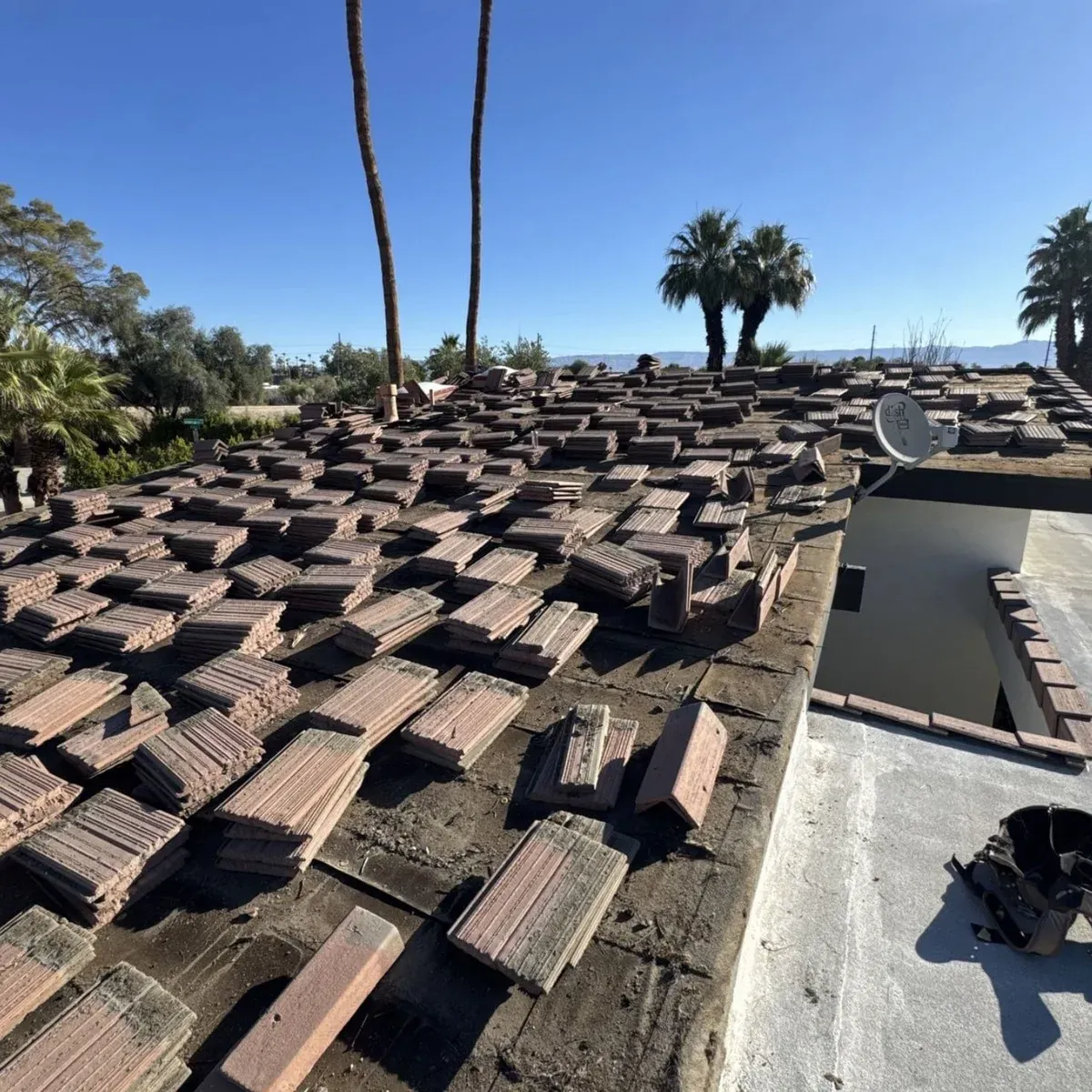 Roof replacement Address worn layers and recurring problems with a defined roof plan.
Read more
Roof replacement Address worn layers and recurring problems with a defined roof plan.
Read more
What you can see
Start with what
you noticed.
A ceiling stain, loose tile or worn coating is a reason to inspect the roof. These common desert roofing symptoms help you understand what to ask about.
-
Grit collecting in the gutters
Downspout outlets, and the ground below them after a storm.
Shingles can shed granules as they weather. Wind-blown sand adds abrasion in the Coachella Valley, particularly along the San Gorgonio Pass corridor. An inspection checks whether the surface is wearing normally or exposing damaged shingles.
-
Water still standing a day after the rain
Flat and low-slope roofs, usually near a drain or behind a parapet.
Dust and sand can obstruct drains and scuppers. Low spots can also retain water even when outlets are clear. Check drainage and the roof surface before assuming a fresh coating will correct the problem.
-
A tile out of line after a windy week
Ridges, hips, and the first two courses above an eave or a rake.
Displaced tiles can expose underlayment and interrupt drainage. Wind requirements vary by site; Riverside County identifies several valley communities in a special wind region. Tile fastening, ridge details and edge conditions need an on-site assessment.
-
A foam roof gone chalky, thin or patchy
The middle of the field, and anywhere the sun lands longest.
The coating shields SPF from UV and weather. Thinning or exposed foam warrants an inspection of the coating, underlying foam and roof details. Recoating is appropriate only where the existing roof is suitable for it.
-
A stain that appears in July and not in January
Ceilings, and the inside corners of exterior walls.
Summer thunderstorms can bring wind-driven rain to roof details that remain dry during lighter weather. Seasonal homes may hide the damage until an owner returns. Locate the entry point rather than treating the ceiling stain as the source.
-
The same repair, for the second or third time
Usually a valley, a penetration, or a flashing that has been sealed before.
A recurring leak may involve flashing, drainage or deteriorated underlayment beneath otherwise intact tile. The next assessment should establish why the earlier repair did not hold before another surface patch is proposed.
None of this is a diagnosis. An on-site assessment checks the roof surface, drainage and underlying details before a recommendation. Tell us what you noticed. We will explain the findings and options, with a free written estimate.
Free written estimate
Know what your
roof needs.
Free written estimate. No obligation.
Prefer to talk? Call us.
(442) 637-5222Coachella Valley, California & Greater Phoenix, Arizona.
A 50-mile Phoenix radius, including Buckeye.
Ask for insurance documentation and applicable warranty and maintenance options in writing before work begins.
